Plenty of companies buy a CRM hoping it will make the work easier and their customer relationships more effective. Instead they end up trapped. The system is either too complicated, so it slows the team down, or too restricted to match how the company actually works. The result is frustration and a quiet return to the old, inefficient way. How do you avoid it? The answer is flexibility and room to grow.
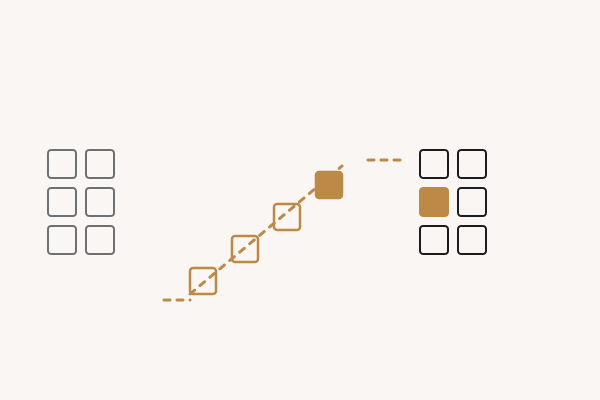
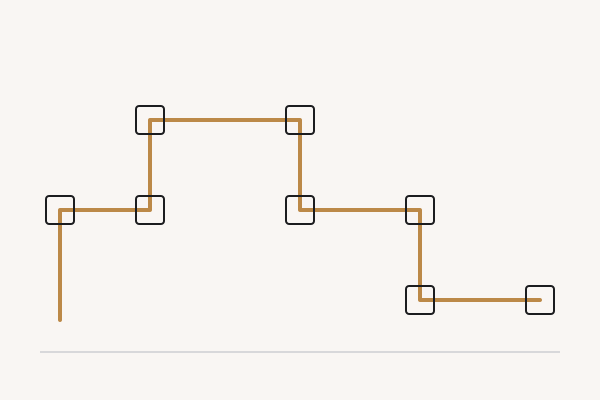
What companies really need is a system that can grow with them: add capability when it is needed, simplify the process rather than complicate it, and connect painlessly to the other tools in use. The right system adapts to you, not the other way round.
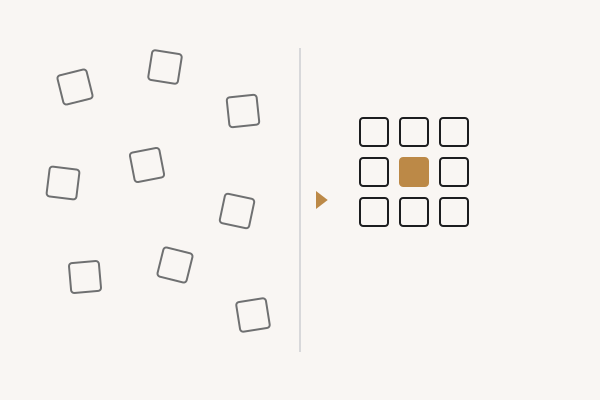
For that to work, your processes and needs have to be analysed properly first. That is the only way to get steady delivery and a system that fits the company naturally — like the last piece of a puzzle.
What we build on
When we build a system at Cabakorp we hold to three things:
- Modularity — we start with what you need right now.
- Connection — the system talks to the tools you already use.
- Legibility — the team has to be able to use it, not fight it.
Successful companies treat the system as part of running the business, not as an IT project. Choose something that will still carry what the company asks of it in two years’ time.